
Elektromágneses relé s elsősorban azáltal javítja az elektromos áramkör hatékonyságát, hogy lehetővé teszi egy kis teljesítményű vezérlőjel biztonságos és megbízható kapcsolását a nagy teljesítményű terheléshez, közel nulla teljesítményveszteséget érve el a vezérlési oldalon és minimális érintkezési ellenállást (általában a milliohm tartományban, például 50-100 mΩ). Ez a szétválasztás csökkenti az energiapazarlást a mechanikus kapcsolókhoz vagy a szabályozatlan félvezető áteresztő elemekhez képest. Például egy 5 V-os, 20 mA-es relétekercs képes vezérelni a 250 V-os, 10 A-es váltakozó áramú terhelést, ami mindössze 0,1 W-os vezérlési teljesítményt eredményez a 2500 W-os vezérléshez – a jel-terhelés teljesítményarányt tekintve több mint 99,99%-os hatékonyságnövekedés.
Számos automatizálási és áramelosztó rendszerben a relék használata a folyamatos üzemű szilárdtestkapcsolók helyett csökkentheti a hőtermelést. Amikor egy relé feszültség alá kerül és reteszelve van, a tekercs tartja az armatúrát, de ha zárva van, nincs szükség további vezérlőteljesítményre a terhelési áramút fenntartásához. Ennél is fontosabb, hogy az érintkezési ellenállás zárt állapotban rendkívül alacsony.
Adatok összehasonlítása: Egy tipikus triac (szilárdtest-relé) bekapcsolt állapotában feszültségesés lehet 1,0–1,5 V . at 10A , ez eloszlik 10-15W . Egy elektromágneses relé 50 mΩ az érintkezési ellenállás azonos áram mellett csak disszipál 0,5W . Folyamatos működés mellett ez csökkenti a hőt és javítja a rendszer általános megbízhatóságát.
Míg az elektromágneses relék vezetési hatékonyságot biztosítanak, kapcsolási sebességük (tipikusan 5-20 ms működési idő) lassabb, mint a szilárdtest relék ( mikroszekundum ). Az ipari vezérlő- és készülékáramkörök esetében azonban ez a sebesség több mint megfelelő. A hatékonyság előnye az állandósult vezetésben rejlik, nem a nagyfrekvenciás kapcsolásban.
A modern érzékeny relék fogyasztása olyan alacsony, mint 50-200 mW egyenáramú tekercsekhez, jelentősen növelve a rendszerszintű energiahatékonyságot. Akkumulátoros vagy IoT-eszközök esetén a reteszelő relék (bistabil relék) fogyasztanak nulla teljesítmény állandó BE vagy KI állapotban, csak impulzus szükséges ( 10-50 ms ) állapot megváltoztatásához. Ez ideálissá teszi őket távérzékelési és energiagyűjtési alkalmazásokhoz.
Az intelligens otthoni vezérlő a 3,3V, 40mA GPIO a relé tekercs meghajtásához (tekercs teljesítmény 0,132W ). A relé kapcsol a 2200W vízmelegítő. A vezérlő költ 0,132W irányítani 2200W , vagyis a vezérlési költség csak 0,006% a terhelési teljesítményről. Ez lehetővé teszi, hogy a rendszer hatékony maradjon, miközben elektromosan leválasztja a kisfeszültségű mikrokontrollert a hálózati feszültségtől.
Az elektromágneses relé hatékonyságának kinyeréséhez bármely áramkörben kövesse az alábbi tervezési és kiválasztási szabályokat:
Az alábbi táblázat összefoglalja a hatékonysággal kapcsolatos paramétereket a szokásos terheléskapcsoló alkatrészekre vonatkozóan 10A, 250V AC (ellenálló terhelés).
| Összetevő | Bekapcsolt ellenállás/esés | Áramveszteség 10A-nél | Szükséges vezérlési teljesítmény | Relatív hatásfok (terhelési teljesítmény = 2500 W) |
|---|---|---|---|---|
| Elektromágneses relé (jó érintkezők) | 50 mΩ | 5W | 0,1–0,5 W | 99,8% |
| Szilárdtest relé (triac alapú) | 1,2V esés | 12W | ~0,02 W (LED meghajtó) | 99,52% (alacsonyabb a nagyobb vezetési veszteség miatt) |
| MOSFET (ideális, de elszigetelést igényel) | 10 mΩ | 1W | Kapuhajtás szigetelése | 99,96% de nincs galvanikus leválasztás |
Az elektromágneses relé kiegyensúlyozott megoldást nyújt: teljes galvanikus leválasztás (elválasztja a vezérlést a terheléstől) plusz nagyon alacsony vezetési veszteség , így számos váltakozó áramú hálózati alkalmazáshoz SSR-ekké válik, ahol nem kívánatos a hőelnyelés.
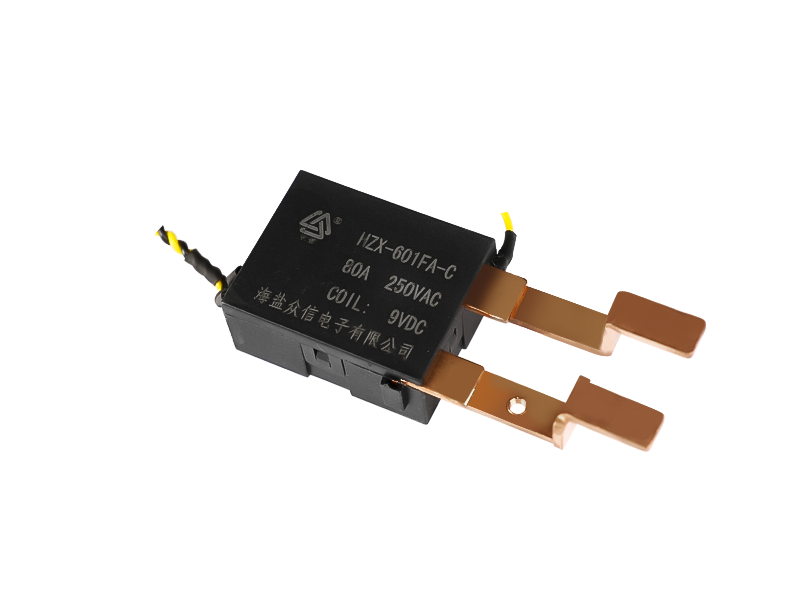
Több millió művelet során az érintkezők kopása növelheti az ellenállást és csökkentheti a hatékonyságot. Induktív terheléseknél (motorok, mágnesszelepek) a szünet alatti ívelés szénlerakódást okozhat. A megoldás: a jobb ívellenállás érdekében az ezüst-kadmium-oxid (AgCdO) helyett ezüst-ón-oxid (AgSnO₂) érintkezőkkel rendelkező reléket adjon meg. Az adatok azt mutatják, hogy 10 A induktív terhelés mellett 250 V AC feszültségnél az AgSnO₂ érintkezők 100 mΩ alatt tartják az ellenállást több mint 100 000 cikluson keresztül, míg az olcsóbb érintkezők 50 000 cikluson belül 500 mΩ-ra emelkedhetnek, ami 5-ször nagyobb vezetési veszteséget okoz.
A termék élettartama során hatékonyságot igénylő áramkörök esetén válassza ezt zárt vagy gáztöltött relék az oxidáció megelőzésére. Ez biztosítja, hogy az érintkezési ellenállás stabil maradjon, közvetlenül megőrizve az energiamegtakarítást.
Az elektromágneses relék nem az elméleti tökéletesség révén növelik az áramkör hatékonyságát, hanem az alacsony vezetési veszteség (mΩ-szintű ellenállás), a teljes galvanikus leválasztás és a minimális vezérlési teljesítményigény páratlan kombinációját kínálják. A valós rendszerekben a HVAC vezérléstől az ipari automatizálásig folyamatosan felülmúlják a szilárdtest-alternatívákat hőhatékonyság és költség tekintetében. A megfelelő tekercsfeszültség kiválasztásával, adott esetben reteszelő típusok használatával és minőségi érintkezőanyagok megadásával a tervezők 99,7%-nál nagyobb teljesítményátviteli hatékonyságot érhetnek el a kapcsolt terhelésnél, miközben fenntartják a biztonságos kisfeszültségű vezérlő interfészt.
Copyright © 2015-2021, Zhejiang Zhongxin New Energy Technology Co., Ltd. Minden jog fenntartva Technikai támogatás:Intelligens felhő Elektromágneses relé gyártók Kínai relégyár



 angol
angol
